The BHP Dispute Raises A Bigger Workforce Question
Pay remains one of the biggest factors in employment. However, the latest dispute involving BHP’s Port Hedland workforce shows that skilled employees may expect much more from their employers. On 15 September 2026, around 450 BHP operators and maintenance workers moved towards arbitration through the Fair Work Commission after more than nine months of wage negotiations failed to produce an agreement.
The dispute has already led to major industrial action. In August, workers staged a two-day strike at Port Hedland, marking the first major industrial action at the facility in around 25 years. The latest development highlights a broader issue for employers across Australia. When skilled workers are difficult to replace, what makes them stay?
The BHP Proposal Goes Beyond A Pay Rise
BHP’s latest proposal includes a 17% pay increase over four years for most workers. It also includes a $25,000 transition payment over two years and increased roster allowances. Despite the size of the offer, the unions rejected it and are now seeking an intractable bargaining declaration from the Fair Work Commission.
The unions argue that around 40% of the workforce would be financially worse off under the proposed agreement. This shows why headline salary figures do not always tell the full story. Employees also assess how pay structures, conditions and workplace arrangements affect them over the long term.
Working Conditions Matter
The Port Hedland workforce operates in demanding conditions. Employees and unions have raised concerns about extreme heat, long working hours and time away from family. They argue that these conditions should be reflected in pay and employment conditions. For employers, this creates an important retention lesson.
A competitive salary matters, but so do the conditions surrounding the job. Flexible arrangements may not be realistic for every role. However, employers can still examine roster structures, leave, development opportunities, recognition and workplace support to improve the employee experience.
Skilled Workers Have Greater Leverage
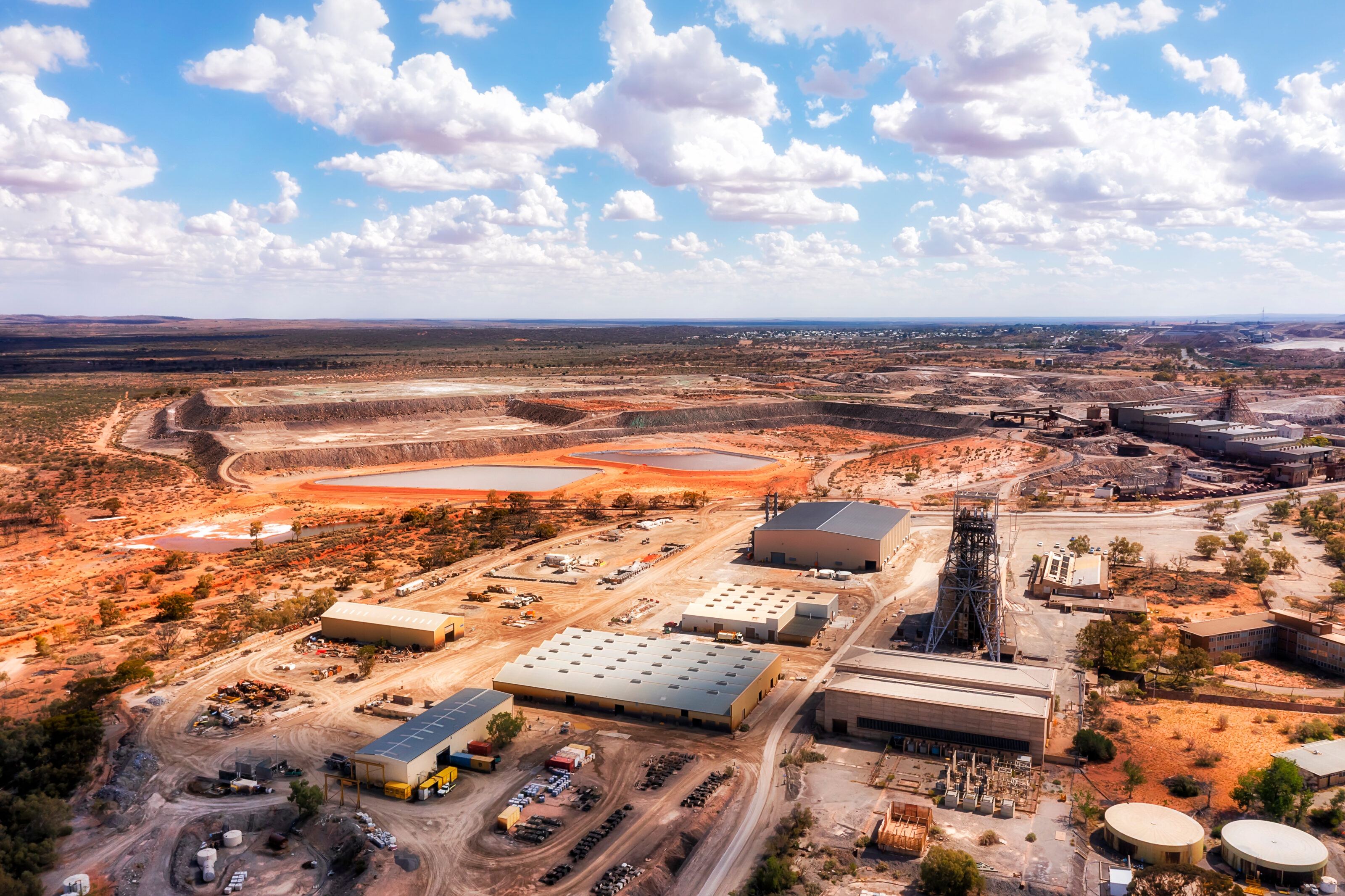
The BHP dispute also demonstrates the value of specialised skills. The workers involved operate and maintain critical infrastructure at one of Australia’s most important export hubs. Port Hedland is the world’s largest iron ore export hub and the main shipping gateway for BHP’s Pilbara operations.
The facility handles around US$80 million of iron ore shipments each day, making workforce stability important not only to BHP but also to Australia’s wider resources economy. When specialised workers are difficult to replace, employers face greater costs when experienced people leave. That can increase the importance of retention, succession planning and workforce development.
Employee Expectations Are Changing
Employees increasingly look beyond their base salary when assessing an employer. Career progression, workplace culture, leadership, recognition and working conditions can all influence whether people remain with an organisation. The BHP dispute provides a clear example. The disagreement involves more than the size of a pay rise. It also involves how employees value their skills, working conditions and long-term employment arrangements.
This is a useful lesson for employers in every industry. Understanding employee expectations can help organisations identify retention risks before they become larger workforce problems.
Retention Can Be More Effective Than Replacement
Replacing an experienced employee can take time. Recruitment is only the first step. Businesses may also need to manage onboarding, training, knowledge transfer and lost productivity while a new employee becomes fully effective.
For specialised roles, the challenge can be even greater. That makes employee retention an important part of workforce strategy. Employers that understand what their people value can make more informed decisions about pay, development, workplace conditions and career opportunities.
Workforce Stability Supports Business Performance
BHP’s Port Hedland dispute also demonstrates how workforce issues can become operational issues. Industrial action at a major export facility can create uncertainty for production and logistics. BHP said it remained focused on reaching a fair agreement while negotiations continued. At the same time, the dispute has contributed to renewed attention on the relationship between skilled workers and large employers.
For businesses across Australia, the lesson is clear. Workforce stability does not happen automatically. It requires employers to understand their people, plan for future capability and respond to changing expectations.
The Future Of Retention Is About More Than Salary
The BHP dispute is a reminder that skilled workers want more than a competitive pay packet. They also want fair conditions, clear expectations and an employment proposition that reflects the value of their skills and experience.
For employers, this means retention needs to be treated as a strategic priority. Businesses that invest in their people, listen to employee concerns and build stronger career pathways may be better positioned to retain critical skills and maintain workforce stability. In a competitive labour market, keeping skilled workers may be just as important as finding them.