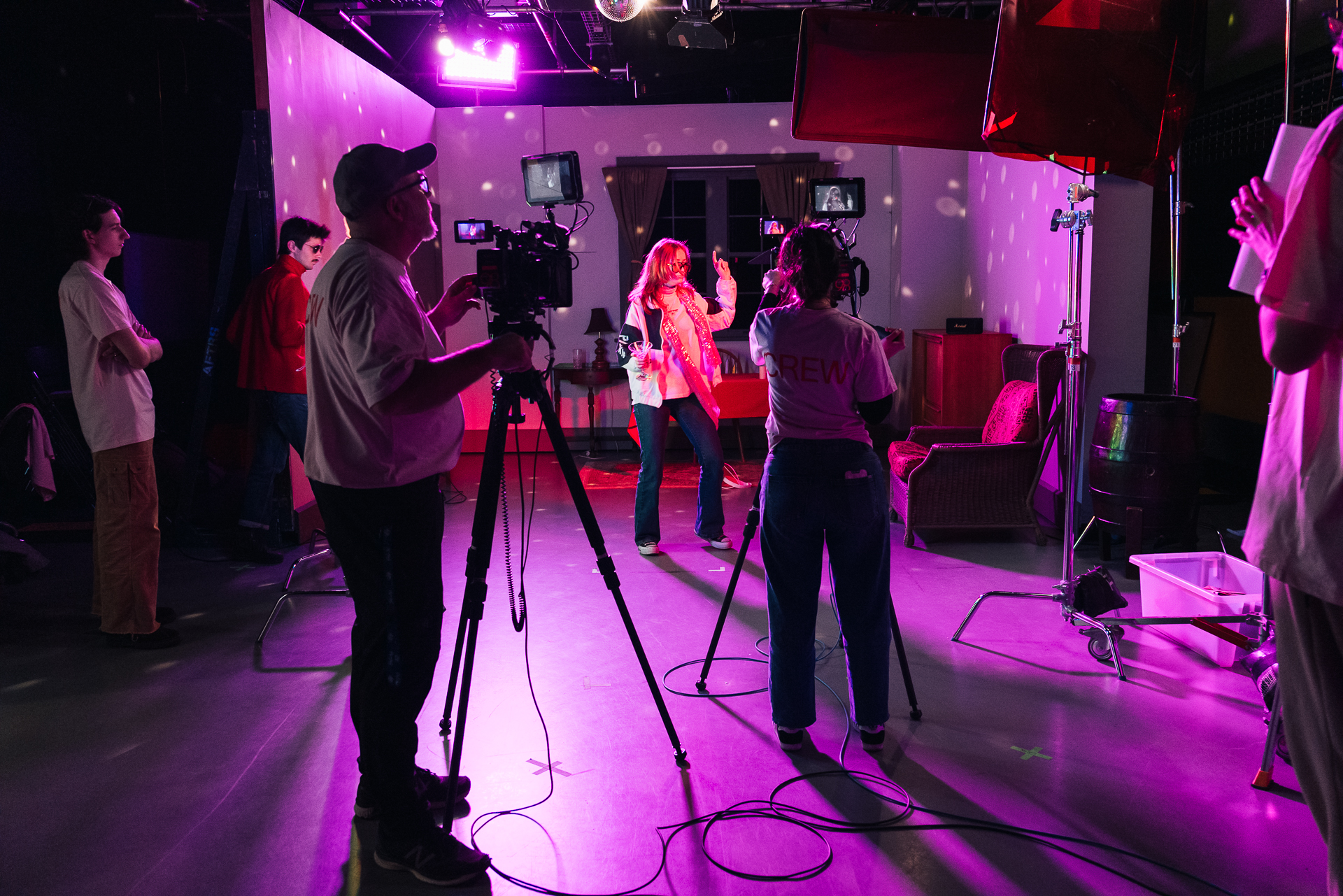
Australia’s screen industry is often viewed through awards, premieres, and celebrity culture. However, events like the AACTA Festival and Screen Careers Expo reveal a much bigger story. They show how workforce demand, skills development, and career pathways are changing across one of Australia’s fastest growing creative sectors.
Held on the Gold Coast in early February 2026, the AACTA Festival arrives at a time when Australia is facing skills shortages, changing career expectations, and economic uncertainty. As a result, the event offers valuable insight into how modern industries are responding.
The Screen Industry Plays a Growing Economic Role
Australia’s screen and digital production sector contributes billions of dollars to the national economy each year. It also supports tens of thousands of jobs across film, television, streaming, gaming, animation, sound, and post production. Several factors are driving this growth. These include global streaming investment, government incentives, and rising demand for Australian content.
Importantly, many screen industry roles now combine creativity, technology, and project delivery. This makes the sector a strong example of how modern jobs are evolving.
The Screen Careers Expo Reflects a New Recruitment Approach
The AACTA Screen Careers Expo is not a traditional graduate fair. Instead, it reflects a shift in how industries connect with talent. Employers are no longer relying only on job ads or recruitment agencies. Instead, they are engaging earlier, explaining real career pathways, and clarifying the skills that lead to employment. At the same time, education providers and studios are aligning more closely on capability expectations. This mirrors a wider move across the Australian economy toward skills based hiring rather than credential based hiring.
Skills Demand Is Becoming Increasingly Hybrid
One of the clearest signals from the screen sector is the rise of hybrid skills. Creative roles now require technical fluency. Technical roles demand collaboration and communication. Meanwhile, project based work requires adaptability and cross functional capability.
As a result, job titles are changing faster than traditional workforce models can keep up. This challenge is not unique to the screen industry. It is becoming common across many Australian sectors.
Entry Pathways Are Expanding
In the past, screen careers were seen as difficult to access. Many believed success depended on networks or highly specialised training. That perception is changing.
The Screen Careers Expo highlights multiple entry points, including vocational education, university programs, mid career transitions, and transferable skills from adjacent industries. This matters at a time when many Australians are rethinking their careers. Industries that clearly explain how skills transfer are more likely to attract and retain talent.
What This Means for Australia’s Workforce
The AACTA Festival and Screen Careers Expo offer lessons that extend beyond the creative industries.
Industries that invest in visible pathways, skills clarity, and early engagement are better placed to manage talent shortages. In contrast, those that react late often face higher costs and lower retention. As Australia continues to navigate economic and workforce change, the screen sector provides a practical example of how to adapt rather than react.
Creative Industries, Practical Workforce Lessons
While the AACTA Festival celebrates creative achievement, its broader value lies in what it reveals about the future of work. Skills are becoming more hybrid. Career pathways are more flexible. Recruitment is shifting toward capability and experience.
For employers, educators, and policymakers, the message is clear. Workforce planning is no longer a background task. It is a strategic priority. Sometimes, the most useful signals about the future of work come from unexpected places. The screen industry is quietly showing how tomorrow’s workforce is being built today.