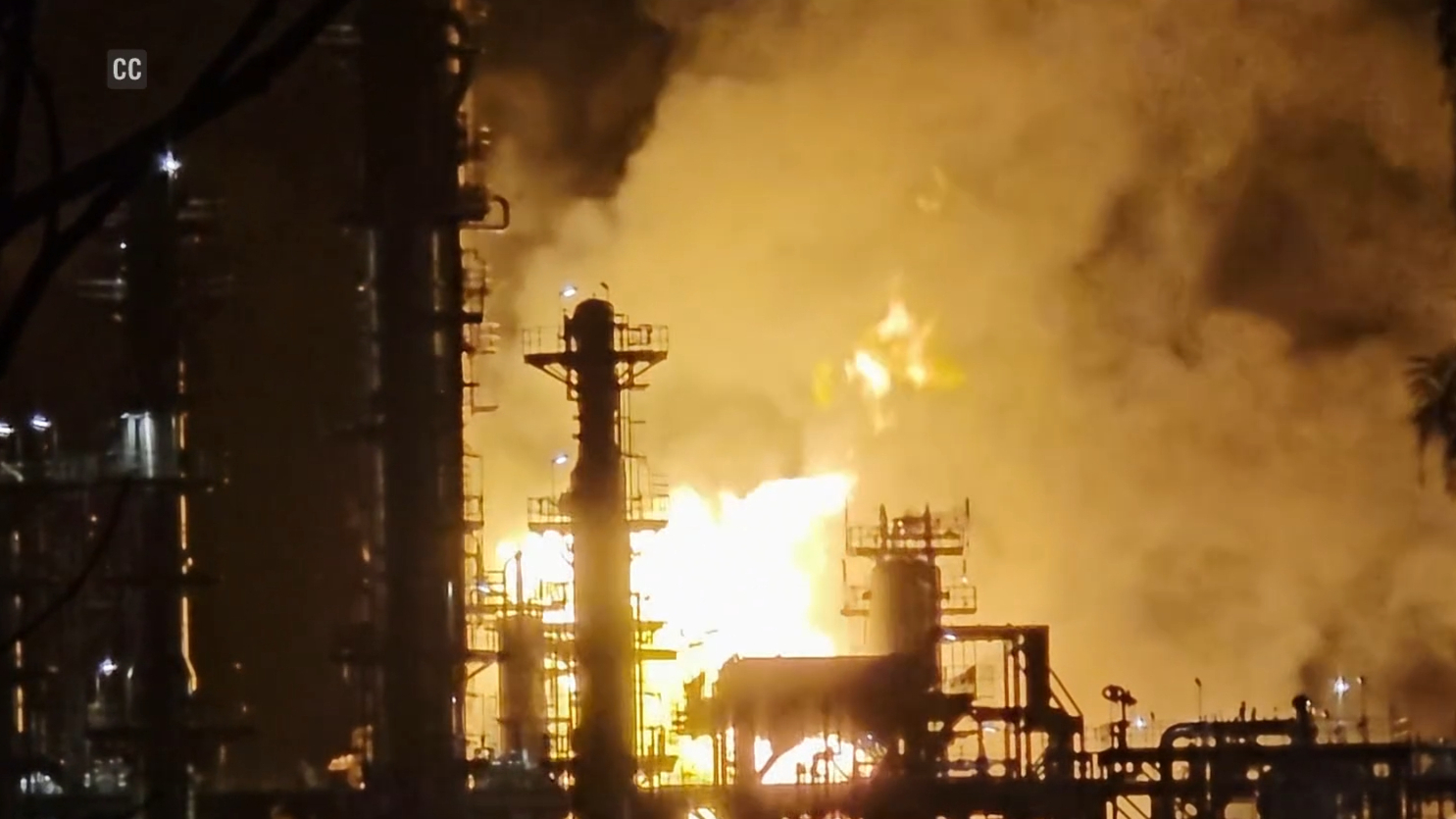
In April 2026, a major fire at Viva Energy’s Geelong refinery disrupted fuel production at one of only two remaining oil refineries in Australia. The facility supplies approximately 50 percent of Victoria’s fuel and around 10 percent of national fuel production.
Although no injuries were reported, operations were reduced following the 13 hour blaze. At the same time, global oil markets were already under pressure due to ongoing Middle East conflict.
As a result, rising fuel prices have become more than an energy issue. They are now a workforce planning issue for Australian employers.
Geelong Refinery Disruption And Fuel Supply Risk
Australia currently relies on just two domestic oil refineries. Over the past decade, refinery closures have increased dependence on imported fuel. Consequently, any domestic disruption can create immediate supply strain. Following the Geelong refinery fire, petrol production was the most affected output line. Diesel and jet fuel continued at reduced levels while safety assessments were completed. Industry experts warned that petrol prices in Victoria could rise by up to 20 cents per litre as supply chains adjusted.
Given that Victoria plays a major role in freight and logistics activity, the refinery disruption highlighted how exposed Australia’s fuel supply system remains.
Rising Fuel Prices And Business Cost Pressure
When fuel prices rise, business costs increase quickly. Transport operators, freight companies, construction firms, delivery services and agricultural producers are directly affected.
Higher fuel costs increase operating expenses across supply chains. In many cases, businesses must either absorb these costs or pass them on to customers. For organisations operating on narrow margins, even a 10 to 20 cent per litre increase can materially impact budgets.
Importantly, rising fuel prices also contribute to broader inflation pressure. This influences wage expectations, labour negotiations and workforce expansion decisions.
Workforce Impact Across Key Sectors
Fuel supply disruptions have indirect but significant effects on the Australian workforce.
First, transport and logistics employers may need to adjust routing, fleet utilisation and rostering models to manage volatility. This can affect overtime allocation and contractor reliance. Second, regional and agricultural businesses that depend heavily on diesel may face tighter labour budgets during seasonal peaks. Third, recruitment strategies may shift. When operating costs increase, businesses often slow hiring, delay expansion or prioritise efficiency over workforce growth.
Therefore, fuel volatility directly influences workforce planning across multiple industries.
Economic Resilience And Strategic Workforce Planning
The April 2026 refinery incident exposed structural vulnerabilities in Australia’s energy infrastructure. With only two operational refineries and heavy reliance on imports, supply disruptions can amplify economic risk.
Although government coordination helped secure additional imports, the event reinforced the importance of proactive risk management.
Employers that incorporate fuel cost modelling into workforce planning are better positioned to manage sudden shocks. Scenario planning, cost forecasting and flexible staffing models are becoming essential tools in 2026.
Fuel Volatility Is A Workforce Risk
The Geelong refinery fire demonstrated how quickly local incidents can affect national economic stability. Rising fuel prices impact transport networks, supply chains and ultimately hiring decisions.
In 2026, fuel supply risk is not just an energy issue. It is a workforce issue. Organisations that actively monitor fuel markets and integrate economic awareness into recruitment strategy will be more resilient in a volatile environment.